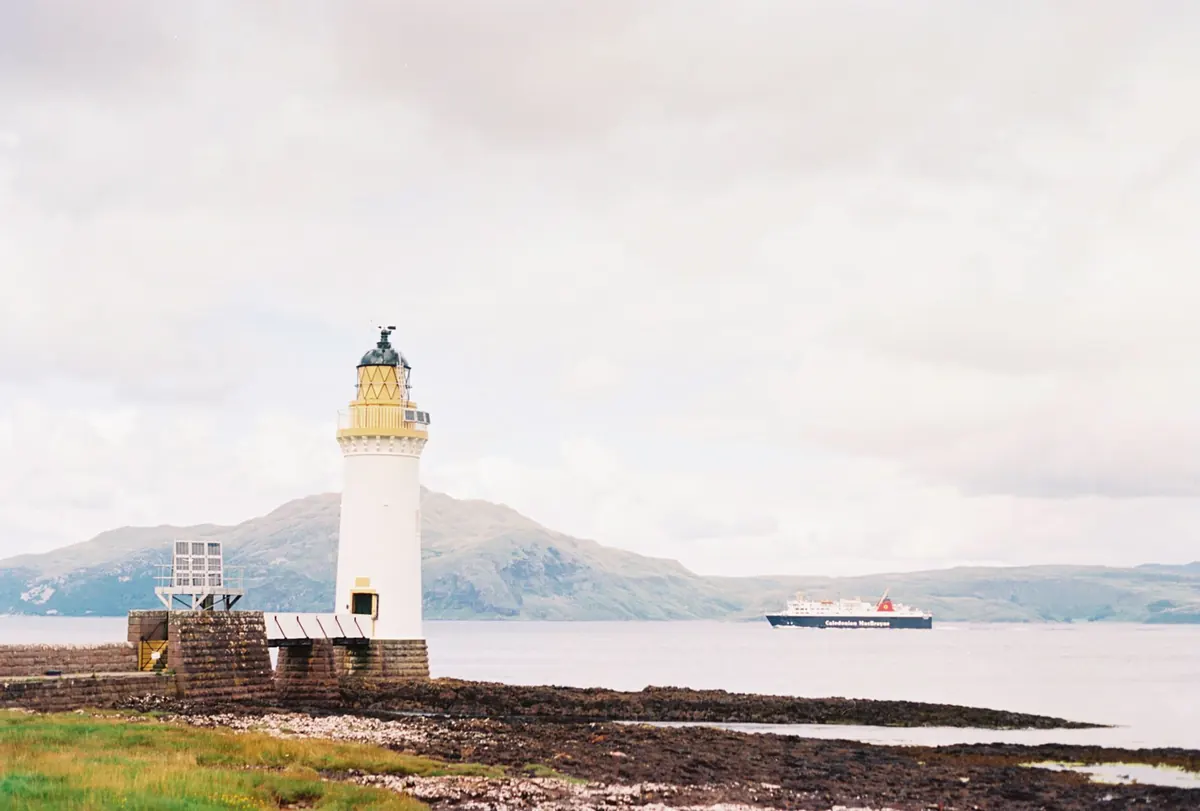
Ferry Packing Checklist: 15 Essentials for a Long Crossing
Some ferry crossings are over before you have finished your coffee. Others run for six, eight or ten hours, and those are the ones where packing well quietly decides whether you step ashore refreshed or frayed. A long crossing is one of the friendlier journeys to prepare for: there is space, you can walk around, and you do not have to squeeze your life into a bag under a seat. Here is a checklist of fifteen essentials, with notes on the details people most often forget.
Use this as a quick reference, then adjust for the season, the route and who is travelling with you.
Everything else on this list can be bought on board or lived without for a few hours. These cannot.
Many operators now scan a QR code straight from your phone, and most of the time that works. But port queues are exactly where signal drops and batteries die. A screenshot in your photo album, or a folded paper copy in your jacket pocket, has saved more than one argument at the barrier. Check passport expiry rules for your destination before you travel, as some countries require several months of validity remaining, and remember that children need their own documents.
Keep medication in your day bag rather than the boot of the car. If you are crossing borders, check the rules for your destination in advance, because some medicines that are available over the counter here are restricted elsewhere. If you are unsure about anything, speak to a pharmacist or your GP before you travel. It is a five-minute conversation that removes a great deal of worry.
Ferry interiors swing between stuffy and freezing, often within the same hour. Air conditioning in a lounge can be fierce, while the open deck at midnight is a different climate entirely.
Pack a warm layer you can put on and take off easily, and add a light waterproof if you plan to spend time outside watching the wake. Comfortable shoes matter more than you would think: a long crossing involves a fair amount of walking between car deck, cabin, lounges, bars and outside areas.
Then there is the business of resting. A neck pillow, an eye mask and a decent pair of earplugs are the closest thing to a portable bed. On night crossings in particular, earplugs earn their place next to engine noise, corridor chatter and a television someone has left on in the lounge.
If you know you are prone to seasickness, take tablets according to the instructions on the packet, which usually means before you board rather than once you feel rough. Check with a pharmacist first if you are pregnant, breastfeeding or taking other medication. Fresh air and a fixed point on the horizon help more than staring at a screen.
Most ferries have a café, a restaurant and a shop, and on longer routes the food is often better than people expect. The trick is not to depend on it at the exact moment everyone else does.
A charged phone is your ticket, your map, your boarding pass and your camera. Charge everything the night before, then bring a power bank as insurance, along with the right cables and a plug adaptor if you are ending up in a different country.
Download before you sail. Films, series, podcasts, audiobooks, offline maps and playlists should all be sitting on your device before you reach the port. Onboard Wi-Fi is often limited, and mobile signal at sea can be patchy and expensive through maritime networks, so check with your provider and think about turning data roaming off while you are out of range.
Bring headphones, and a wired pair if your wireless ones need charging. Pack something that does not need a battery at all: a paperback, a puzzle book, a pack of cards for the table in the lounge. These are the things that fill a long afternoon rather than a short one.
Give each child a small bag of their own with snacks, water and something to do. It spreads the weight, and it means you are not the only person who knows where anything is.
Pack spare clothes for young children, a plastic bag for anything wet, and more wipes than you think you need. If you are travelling with a pet, keep paperwork, lead, water bowl and a towel within reach rather than buried under luggage, and check the operator's rules on which areas of the ship animals may use.
One more point that catches drivers out: on most ferries you cannot return to the car deck during the crossing. Whatever you need for the next few hours has to come with you, so load the day bag last, on top of everything else in the boot.
Lay the essentials out the evening before you sail. Charge the devices. Screenshot the tickets. Check the passports. Put the medication in the day bag, fill the water bottle, and set the snacks by the door. It takes ten minutes and removes most of the friction from the morning.
Then aim for two bags rather than five: one main bag, and one smaller bag with the things you will actually want at your seat. If you are crossing overnight and have booked a cabin, a small torch or a phone light is handy for finding things without waking anyone.
Above all, treat a long crossing as part of the trip rather than a gap between two places. With a cushion, a hot drink, a full battery and a good book, ten hours at sea can be the most restful part of the journey.
Photo: Sergey Meshkov / Pexels
Previous Post
Ferries to the Scottish Isles: Summer vs Winter Travel Guide
Next Post
Getting to Dover Ferry Port by Train, Bus, and Coach