Isle of Wight Ferries: Comparing Routes from Portsmouth, Southampton, and Lymington
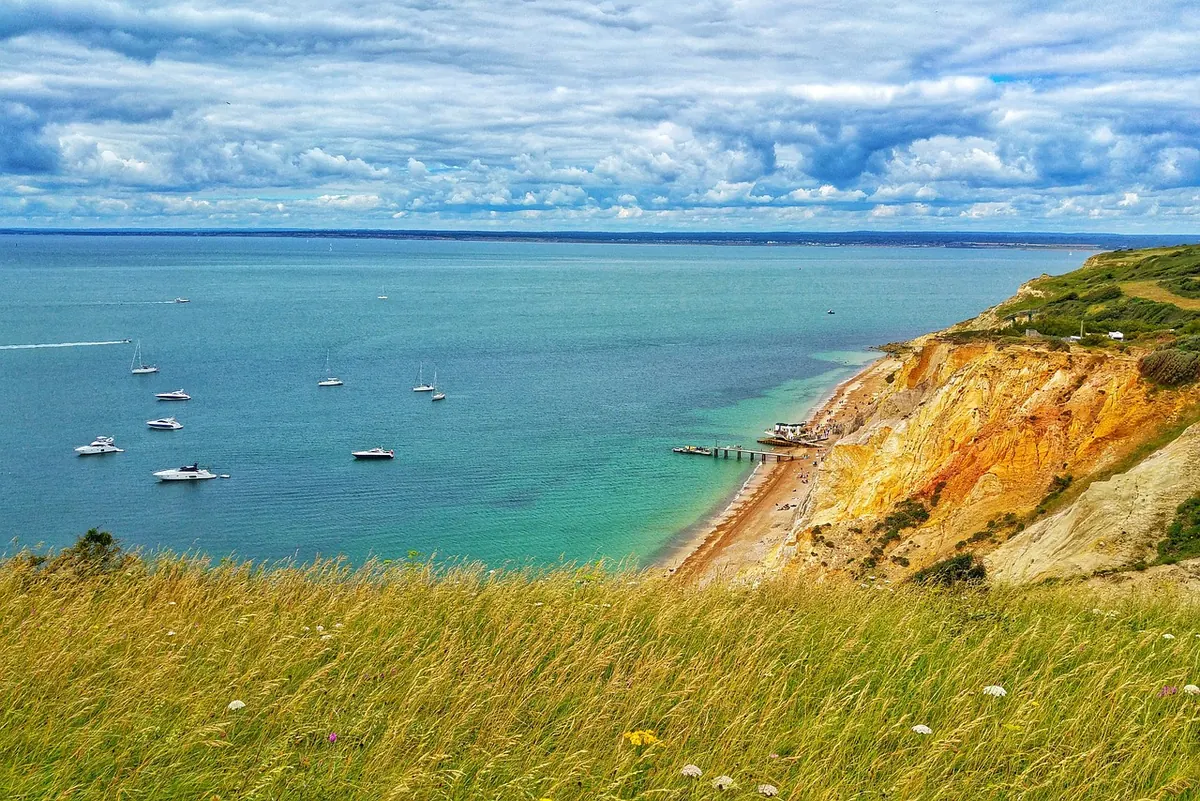
Three operators' worth of crossings, three mainland gateways and one island that is bigger than it looks on the map. Choosing a ferry to the Isle of Wight seems like a simple matter of geography until you factor in where you are starting from, whether the car is coming with you, and how much you mind an extra hour behind the wheel at either end. The Solent gives you three realistic gateways — Portsmouth, Southampton and Lymington — and each one drops you somewhere quite different. Here is how they compare.
The main car and passenger crossings are run by two companies: Wightlink and Red Funnel. Wightlink covers Portsmouth and Lymington; Red Funnel sails from Southampton. Both carry cars and foot passengers, and both run a fast passenger-only catamaran alongside their vehicle ferries.
Those timings are the bit people quote to each other, but they are not the whole story. Getting to the terminal, checking in and getting away at the other end often matters more than ten minutes on the water.
If you are arriving by train, Portsmouth is hard to beat. The FastCat terminal sits right beside Portsmouth Harbour station, so you can step off a train from London Waterloo and be on the pier a few minutes later. The crossing to Ryde Pier Head is short, and at the other end the Island Line train runs along the pier to Ryde Esplanade and on towards Sandown and Shanklin. For a car-free weekend in the east of the island, this is the simplest chain of connections on the Solent.
The car ferry leaves from a different terminal, a short drive away, and lands at Fishbourne — a quiet spot between Ryde and Newport. That makes it the obvious choice if you are heading for Ryde, Newport, Sandown, Shanklin or anywhere on the island's east side. Portsmouth also has the most sailings of the three, so you have more room to manoeuvre if you miss one.
Red Funnel's terminal is at Town Quay, a fifteen- to twenty-minute walk or a short taxi ride from Southampton Central station. The Red Jet puts you ashore in West Cowes, in the middle of the town, which is ideal if you are staying in Cowes or catching a bus onwards.
The vehicle ferry to East Cowes is the longest crossing of the three, but it earns its keep. East Cowes sits next to Osborne House, and the floating bridge links it to West Cowes in a couple of minutes. Buses run from East Cowes to Newport, the island's hub, so onward road connections are good.
Southampton suits anyone coming down the M3 or M27, and it is a sensible pick if your plans are spread across the middle of the island rather than pinned to one coast.
Lymington Pier station is a few steps from the ferry terminal, and the branch line from Brockenhurst runs through the New Forest — one of the prettier rail journeys in southern England. The crossing to Yarmouth is short and calm, and Yarmouth itself is a small, tidy town with a castle, a couple of good pubs and bus links along the west coast.
This is the route for the Needles, Freshwater, Tennyson Down and the quieter beaches of the West Wight. It is also a favourite with cyclists and walkers, partly because the terminal is so compact and partly because traffic on the island's western lanes is lighter.
The trade-off is frequency. There are fewer sailings than from Portsmouth or Southampton, and the last crossing of the day leaves earlier. Check the timetable before you book a late dinner on the mainland.
A twenty-minute catamaran crossing sounds unbeatable until you add the walk to the terminal, the wait and the onward journey. Work out the door-to-door time instead.
Foot passenger fares are modest; car fares are not, and they rise sharply at popular times. Both operators price by vehicle with passengers included on some tickets and per person on others, so read the small print on the fare you are buying rather than assuming.
A few general rules hold true. Booking ahead is nearly always cheaper than turning up. Midweek, mid-morning and off-season crossings cost less than Friday evenings, Sunday afternoons and school holidays. Day returns and short-break tickets can work out well for a quick visit. Demand spikes around the Isle of Wight Festival in June and Cowes Week in late summer, so book early if your dates overlap.
If you are travelling by train, ask at the station about combined rail and ferry tickets — they can work out cheaper and are always simpler than buying the two legs separately.
Whichever route you pick, the crossing is short enough to feel like the start of the trip rather than a chore. Get the terminal right, leave a little slack in the schedule, and the Solent does the rest.
Photo: 8364783 / Pixabay
Previous Post
10 Common Mistakes to Avoid When Booking Ferry Tickets Online
Next Post
Review: Brittany Ferries Portsmouth to Santander Overnight Crossing