The Real Math Behind Slot Machines: What Every Player Should Know
You’re sitting in front of a shiny new slot, the reels spinning, and you just know the next spin is due. We’ve all been there. But here’s the uncomfortable truth: that feeling is exactly what the casino wants you to have. I’m not here to tell you slots are rigged or that you can’t win—you can, and people do every day. But if you’re going to play, you deserve to understand the actual mechanics. This isn’t about killing the fun; it’s about playing smarter and stretching your bankroll. Let’s pull back the curtain on how slots really work, from random number generators to volatility, and throw in some poker and betting insights along the way.
Every spin you take on a modern slot machine is powered by a random number generator (RNG). This isn’t some dusty algorithm from the 90s—it’s a sophisticated piece of software that cycles through thousands of numbers per second, even when you’re not playing. The moment you hit that spin button, the RNG grabs the current number and maps it to a specific combination of symbols on the reels. That means the outcome is determined before the reels even start spinning. There’s no “almost” win, no near-miss that was one symbol away from a jackpot. The machine isn’t teasing you; it’s just displaying the result it already chose.
This is why the concept of a “hot” or “cold” machine is pure myth. Each spin is independent of the last. A machine that hasn’t paid out in hours is no more likely to hit than one that just paid a jackpot. The RNG doesn’t have a memory. And because the RNG is constantly running, your timing doesn’t matter either—unless you believe in luck, which, hey, I get it. But the math doesn’t.
Return to player (RTP) is the percentage of all wagered money that a slot pays back to players over millions of spins. If a slot has an RTP of 96%, it means for every $100 wagered, the machine returns $96 in winnings over the long haul. The casino keeps $4. That $4 is the house edge. Now, here’s the kicker: RTP is a theoretical average. In a single session, you could hit a jackpot and be way above 96%, or you could lose everything. The RTP only matters if you play forever.
Not all slots are created equal. Online slots typically range from 94% to 97% RTP, but some are as low as 90%. Land-based slots often sit around 85% to 92%. That difference might seem small, but over hundreds of spins, it adds up. Always check the game’s info screen—reputable casinos list the RTP. If you can’t find it, that’s a red flag.
Here’s a quick comparison of typical RTPs:
Notice how video poker and blackjack offer better odds? That’s because skill matters. Slots are pure chance. If you want the best bang for your buck, mix in some skill-based games. You will find a helpful summary at kèo nhà cái.
Volatility (or variance) describes how often a slot pays and how big those payouts are. A low-volatility slot hits small wins frequently, keeping your balance stable but rarely delivering a massive payout. High-volatility slots are stingy with wins but can drop a life-changing jackpot. Medium volatility is the middle ground.
Why does this matter? Because your bankroll strategy should match the volatility. If you have a $100 bankroll and play a high-volatility slot with $1 spins, you might burn through your cash in 100 spins without a single win. But if you play a low-volatility slot, you could stretch those same 100 spins into hours of entertainment. Neither is better—it’s about what you want. I know players who chase jackpots on high-volatility Megaways slots, and others who prefer the steady drip of a classic 3-reel. Know thyself.
Pro tip: Look for slots with a “volatility” rating in the game info. If it’s not there, test with small bets for 50 spins and see how it feels. Your gut will tell you. It is also worth checking trực tiếp bóng đá before deciding.
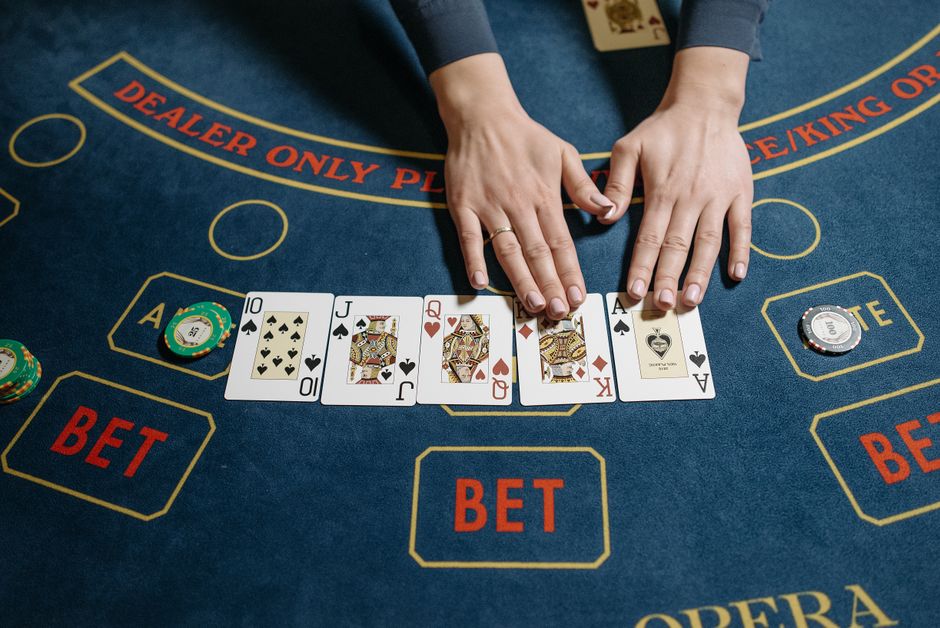
Slots are the casino’s cash cow because they require no skill. But if you want a fighting chance, poker and sports betting are different beasts. In Texas Hold’em, you’re not playing against the house—you’re playing against other players. The house takes a rake (a small cut of each pot), but a skilled player can consistently win. The key is understanding pot odds, position, and player tendencies. Unlike slots, you can study, improve, and exploit weak opponents.
Sports betting is similar. The bookmaker sets odds with a built-in margin (the vig), but if you can predict outcomes better than the market, you profit. That’s a big “if.” Most bettors lose over time, but sharp bettors use data, line movements, and injury reports to find value. If you’re new, start with small bets on familiar leagues. Don’t chase parlays—they’re sucker bets with high variance.
Still, slots and casino games have their place. They’re fast, exciting, and don’t require homework. Just go in with your eyes open.
You’ve got the theory. Now let’s get tactical. Here’s how to make your sessions last longer and avoid the classic traps.
One more thing: if you’re playing online, stick to licensed casinos. They use certified RNGs and publish payout percentages. Unlicensed sites? You’re rolling the dice on whether you’ll ever see your money again.
Slots, poker, and betting are entertainment. Treat them like a night out—you pay for the experience, and if you happen to win, great. The moment you start expecting to win, you’re in trouble. The house edge guarantees the casino profits over time. That’s not cynicism; it’s math. But within that framework, you can still have a blast, especially if you play smart. Understand RTP, volatility, and your own limits. Mix in skill games if you want a better shot. And never bet money you can’t afford to lose. Do that, and you’ll enjoy the ride a whole lot more.
Previous Post
Ferry Ticket Types Explained: Saver, Flexible, and Foot Passenger Fares
Next Post
The iGaming Edge: How Smart Players Approach Casinos, Bets, and Bluffs